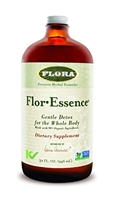
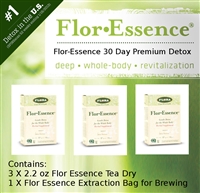
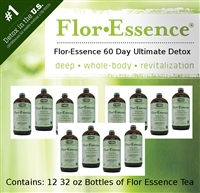
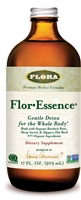
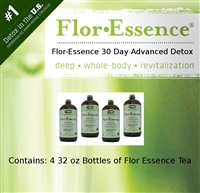
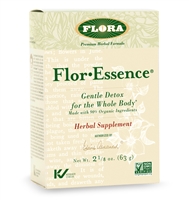
- Flor•Essence® Tea
- Q and A's
- Education
- Canada's Heroic Nurse
- Flor-Essence Tea Brewing Instructions
- Flor Essence Tea Benefits
- The Herbs in Flor Essence
- Flor Essence Herbal Tonic as a Gastrointestinal Normalizer
- Flor Essence Herbs & Biological Activities
- Gentle Detox for the Whole Body
- How Flor Essence Tea Works
- Look, Feel and Sound Better!
- Powerful cellular regenerator and detoxifier
- Symptoms of Toxic Overload
- The Benefits and Risks of Free Radicals
- The History of Flor Essence Tea
- The Importance of Oxygen and Water
- The Synergy of Herbs in Flor Essence Tea
- The Worlds Most Powerful Cellular Regenerator
- What to Eat When Taking Flor Essence
- Keeping Hope Alive